I was walking through the tool section of a hardware store the other day. I’ve always enjoyed looking at the tools. Honestly, I don’t know what 90 percent of them do, but I’m fascinated by them. I’m amazed by the creativity and engineering behind them. Some are designed for incredibly specialized jobs I’ll never need to do, while others are tools almost anyone can use.
One thing is true of every tool on those shelves: a tool is only as valuable as the person using it. In the right hands, it can build, repair, and create. In the wrong hands, it can damage or destroy. The tool itself isn’t good or bad. It’s how it’s used that matters.
That’s how I’ve come to think about artificial intelligence.
For me, AI is simply another tool. It’s unique because, unlike a specialized wrench or an expensive piece of equipment that only a trained professional would use, almost anyone can learn to use it. Whether you’re a student, a business owner, a teacher, a doctor, or a pastor, AI is quickly becoming one of the most accessible tools ever created (Recent surveys show that about half of American adults have already used AI).
How should Christians think about artificial intelligence?
The first thing I’d say is this: AI is a technological tool. Throughout history, followers of Jesus have consistently embraced new tools to help spread the gospel.
Think about the earliest church. The Apostle Paul didn’t simply preach in one city and hope everyone remembered what he said. Under the inspiration of the Holy Spirit, he wrote letters. Those letters were copied by hand, carried from church to church, read publicly in worship, and eventually became part of our New Testament. Writing itself was a technology. It allowed the gospel to travel farther than Paul’s voice ever could.
Centuries later came the printing press. Instead of copying every Bible and every Christian book by hand, God’s Word could now be reproduced on a scale the world had never seen. More people gained access to the Scriptures, and biblical literacy exploded.
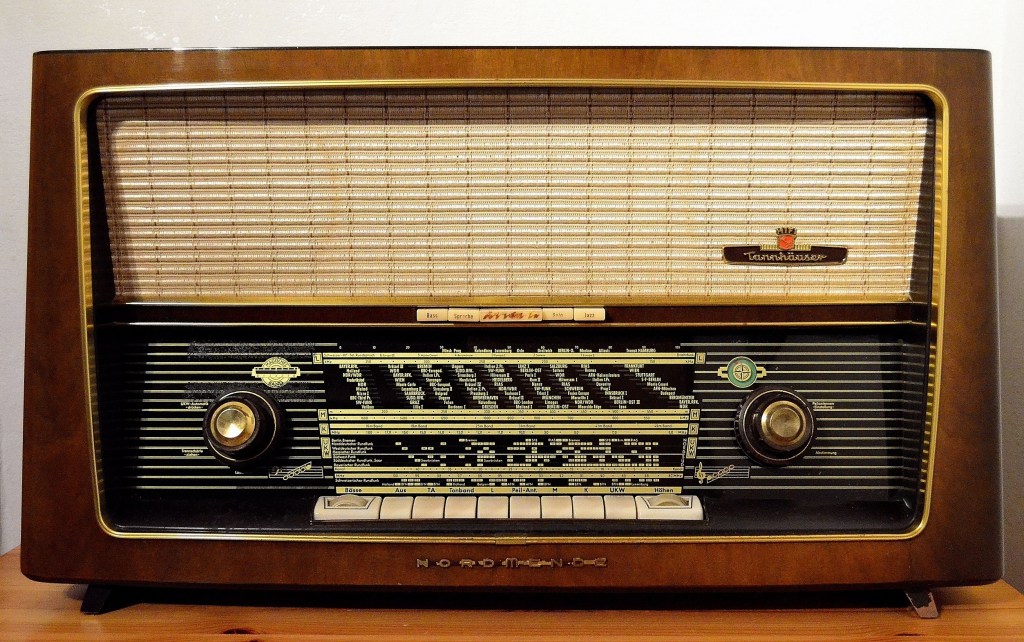
Then came radio. Suddenly, pastors could preach to people they would never meet. The gospel crossed mountains, oceans, and national borders through invisible radio waves. Leaders like Billy Graham recognized the opportunity and faithfully used the newest communication tools of their day to proclaim Christ to millions.
Then television entered our homes. I remember my Grandma Gammill faithfully attending worship from her living room in the 1960s. She deeply loved Jesus, but in her later years she could no longer get to church easily. Every Sunday she would get dressed, sit in front of the television, and worship with a local congregation. To some, it may have looked like she was simply watching TV. To her, it was an act of worship. Technology became a means of staying connected to the body of Christ when her physical limitations prevented her from attending in person.
Then came the internet and social media. Long before online ministry became common, I found myself praying with people through Facebook messages, sharing Scripture, answering spiritual questions, and watching people give their lives to Christ through online chats..
Today we livestream worship services. We host Bible studies online. We record podcasts. We encourage people through social media. We connect over video calls. None of these replace the local church, but each has become another avenue through which the gospel reaches people.
Now artificial intelligence joins that long list.
Like every technology before it, AI can become another tool for serving God’s Kingdom. It can help us work more efficiently, communicate more clearly, organize ideas, and save valuable time that can be invested in people and ministry.
However, every new technology eventually asks the same question: Will this technological tool serve us, or will we begin serving the tool?
That question sounds surprisingly familiar. Jesus once said, “No one can serve two masters” (Matthew 6:24). Anything that begins to command our attention, shape our priorities, or capture our hearts more than Christ has become a poor master. Technology, including AI, is a wonderful servant, but it makes a terrible master.
The Bible continually reminds us that even good gifts can become idols when they occupy the place in our hearts that belongs only to God. AI can organize information, but it cannot give wisdom. It can summarize Scripture, but it cannot produce spiritual maturity. AI can generate words, but it cannot create genuine love. It can answer questions, but it cannot transform a human heart. Only Jesus Christ does that through the power of the Holy Spirit.
I don’t believe Christians should fear artificial intelligence. Neither should we embrace it uncritically. Every powerful tool deserves thoughtful safeguards and wise stewardship. A table saw is an incredibly useful tool, but we still use blade guards, push sticks, and safe operating practices because we respect its power. AI deserves the same kind of wisdom. We should steward it well. We should learn it. We should use it wisely for the glory of God and the good of our neighbors.
The greatest technology humanity has ever created still cannot accomplish what the Holy Spirit does every single day. Technology may extend our reach, but only Christ transforms souls.


Leave a Reply